
What is a throw-in in football? Explaining the mechanics of a legal restart
A standard professional football pitch is over 100 meters long and about 70 meters wide, marked by boundary lines that form a rectangle. With a limited playing area, it is inevitable that the ball will go out of bounds. When the ball crosses the goal line, the restart is a corner kick or goal kick; when it crosses the sideline, the restart is a throw-in.
In this article, goaloomobi.com answers the question: What is a throw-in in football?
What is a throw-in in football?
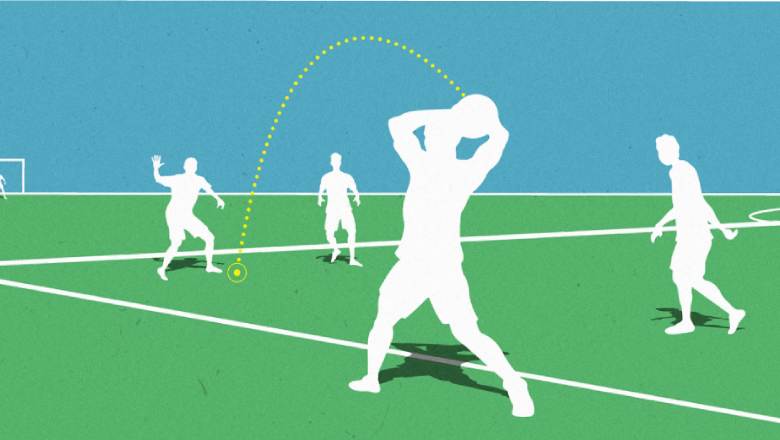
A throw-in is a method of restarting play when the ball has completely crossed the sideline, either on the ground or in the air. The throw-in is awarded to the team that did not touch the ball last, and it must be taken from the point where the ball left the field. For a throw-in to be valid, the player must follow these rules:
The throw must be taken with both feet on the ground, either on or outside the sideline, at the moment the ball is released. The player must use both hands to bring the ball from behind the head and throw it forward over the head. It is also important to note that a direct goal cannot be scored from a throw-in. If the ball goes straight into the opponent’s goal without touching another player, the game restarts with a goal kick.
There are also additional rules: Offside does not apply to a player receiving the ball directly from a throw-in, opponents must stand at least 2 meters away from the throw-in location; and the thrower cannot touch the ball again until it has touched another player, otherwise an indirect free kick is awarded.
What are the different ways to take a throw-in in football?
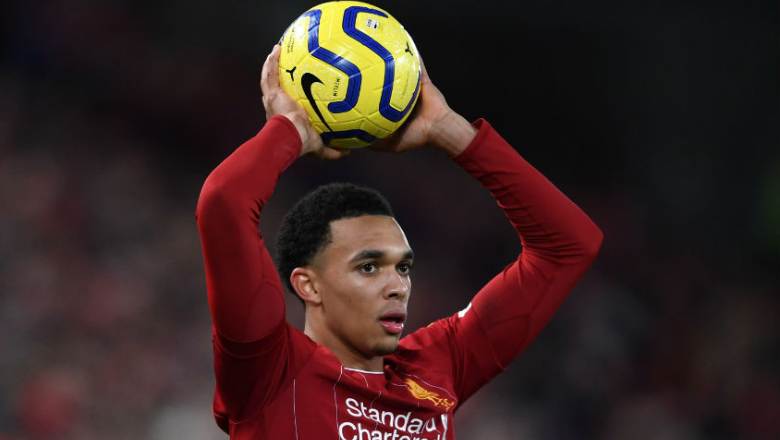
Although the rules are simple, players have developed several techniques for throw-ins. The most basic is the standing throw, which is the most common and easiest method. It is typically used for short or medium passes to maintain possession. The player stands firmly, leans slightly backward for balance, and uses arm strength to deliver the ball with accuracy.
The running throw is used when a player wants to generate more distance or power. The player takes a short run-up before stopping at the sideline and releasing the ball, converting forward momentum into throwing power. The final step must be controlled to ensure both feet are grounded at the moment of release. This technique allows the ball to travel farther and faster than a standing throw.
Another important type is the long throw-in, which is often used as an attacking weapon. Players with exceptional upper-body strength can throw the ball directly into the penalty area. This technique combines a strong run-up, body arch, and optimal release angle to produce a fast and dangerous trajectory, similar to a corner kick.
What are the fouls when taking a throw-in?
The referee will award the throw-in to the opposing team if any of the following fouls occur: The most common is lifting a foot. Both feet must remain in contact with the ground when the ball is released. If a player lifts a foot or heel, it is considered a foul. Another foul occurs when both feet are completely inside the field of play, as the throw must be taken from on or outside the sideline.
The ball must also be thrown from behind and over the head using both hands. If it is thrown from the side, at ear level, or with one hand, the referee will penalize the throw. Additionally, the throw must be taken from the correct location. If it is taken too far from where the ball went out (usually more than about 1 meter), the referee may order a retake or award the throw-in to the other team.
What is a long throw-in in football?
Among all variations, the long throw-in is considered a “special weapon.” When a player can deliver the ball directly into the penalty area, it creates pressure similar to a set piece like a corner or free kick. Unlike normal throws, this technique uses the entire body, including the core and back muscles, not just the arms.
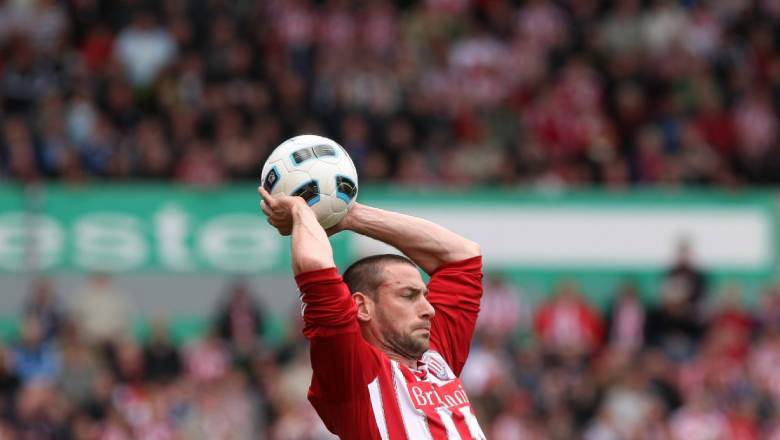
Long throw-ins are particularly effective because the offside rule does not apply. This allows attackers to position themselves freely behind the defensive line. The ball’s trajectory is often fast and difficult to predict, making it challenging for defenders and goalkeepers to react, and often leading to second-ball opportunities.
To defend against long throw-ins, teams usually place a tall player near the near post to clear the ball. Defenders must tightly mark attackers to prevent them from winning aerial duels. Goalkeepers also need to be ready to punch the ball away, as the delivery can dip or spin unpredictably.
Goaloo Mobi has answered the question: What is a throw-in in football? If you want to learn more about future football odds, please click on the link to our main page.
The Most Popular
-
 How many Premier League games are in a season? The complete breakdown
 -
 From Flames to Origami: Ranking the most iconic Japan football jerseys in history
 -
 Who is the captain of the Germany football team? Meet the leader of the Die Mannschaft
 -
 Is Pep Guardiola the best manager ever? The man who changed football forever
 -
 How is injury time calculated? Why matches are getting longer than ever
 -
 What team does Messi play for in 2025? Full details on his club and international career
 -
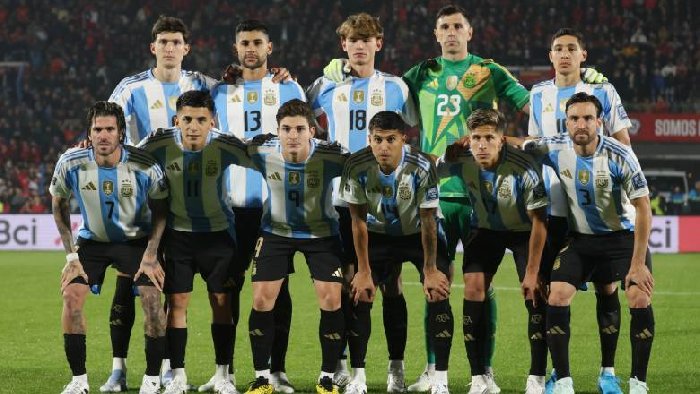 Argentina national football team players 2026 World Cup list: Key stars and Predicted XI
 -
 Why did James Rodríguez leave Real Madrid? The rise and fall of a Galáctico dream
 -
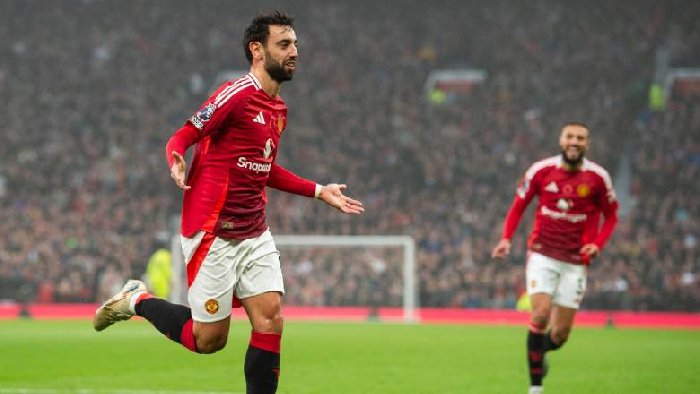 The €54 million catalyst: How much did Manchester United buy Bruno Fernandes?
 -
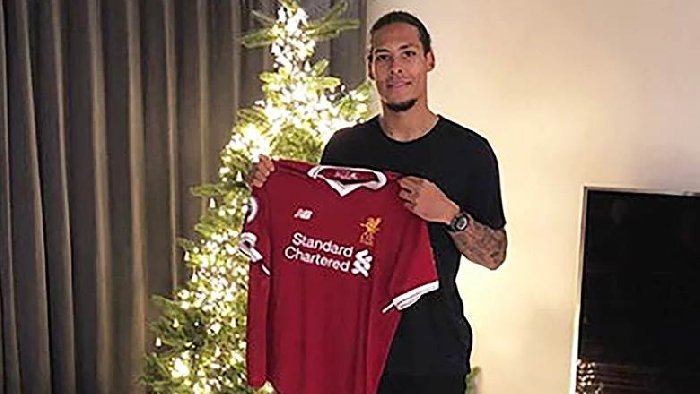 The £75 million bargain: How much did Liverpool actually pay for Van Dijk?