
What does a football scout do? Inside the secret world of talent identification
In modern football, clubs do not rely solely on live matches to evaluate players but also make extensive use of scouting systems. With the number of professional players constantly increasing, teams are required to build their own scouting networks to handle many different tasks. goaloomobi.com answers the question: What does a football scout do?
What does a football scout do?
A club’s scouting department usually includes many specialists and covers a wide range of responsibilities. First and foremost is live scouting. Despite major advances in technology, watching players in person remains extremely important. Scouts attend matches to observe details that television often misses, such as how players warm up, their off-ball movement, communication with teammates, reactions under pressure, and overall body language throughout the game.

Secondly, there are data analysts, who collect statistics, process information, and produce detailed reports. In modern football, scouts rely heavily on platforms like Wyscout or InStat to filter players based on performance metrics such as passing accuracy, successful tackles, expected goals (xG), expected assists (xA), top speed, and distance covered.
Finally, scouts evaluate whether a player fits the team. This is a crucial step before making a recommendation. Even a talented player may struggle if they do not suit the coach’s tactical philosophy or the club’s culture. Scouts therefore assess personal discipline, mentality, lifestyle, and the ability to adapt to a new environment before presenting their final report.
Types of football scouts in modern football
There are two main types of football scouting: talent scouting and tactical (opponent) scouting. The first is talent scouting, which is what most people think of when discussing scouting. Many elite academies, such as AFC Ajax, use structured models like T.I.P.S to evaluate young players.
Technique refers to ball control, passing ability, performance in tight spaces, and finishing. This is often the hardest quality to improve if it is not developed early. Insight or intelligence involves reading the game, positioning, and making quick decisions. Personality includes attitude, resilience under pressure, teamwork, and leadership. Speed does not only mean sprinting but also reaction speed and decision-making speed.
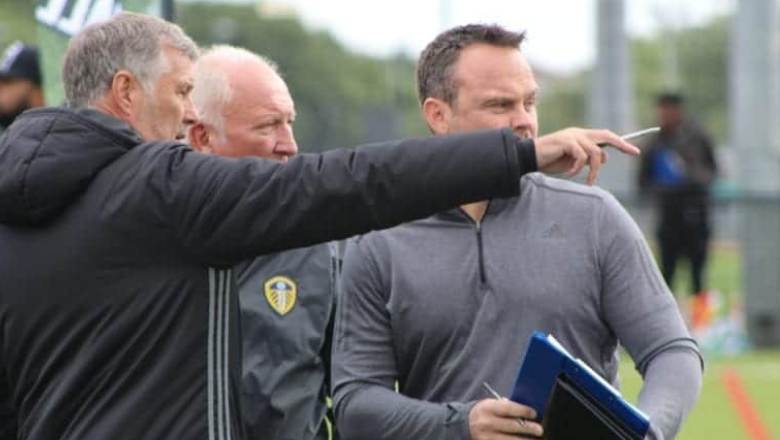
The process of talent scouting usually follows several steps. First is identification, where scouts search youth leagues, amateur competitions, or video databases to create a shortlist. Next, regional scouts observe the player in multiple matches, often 3 to 5 games.
After that, a chief scout or technical director may personally assess the player. At the same time, the club researches the player’s background, including family, education, and lifestyle. If the player meets all requirements, they may be invited for a trial before signing a professional contract.
The second type is tactical or opponent scouting. This focuses on analyzing opponents to help the team prepare for matches. A detailed report usually breaks down the opponent’s play into four phases: in possession, out of possession, transition to attack, and transition to defense.
Tactical scouts pay close attention to patterns and habits, including set pieces, pressing behavior, and tactical adjustments during games. Today, scouts use advanced camera systems that capture all 22 players on the pitch, allowing a full view of team structure and movement.
They then use tools such as Coach Paint or Piero to draw tactical lines, highlight spaces, and present clear visual reports to coaches and players. In addition, advanced data such as heat maps and passing networks are used to identify key threats and design suitable strategies.
What does it take to become a football scout?
Becoming a football scout requires a combination of technical knowledge, analytical ability, and familiarity with modern technology. Scouts must be comfortable using platforms such as Wyscout, InStat, Scout7, or video tools like Hudl and Sportscode to create detailed reports.
Professional knowledge is essential, especially in understanding tactics and player roles. Observation and analytical skills are equally important. A good scout must notice small details, such as how a player scans the field before receiving the ball or how they cover for teammates defensively.
Scouts also need predictive ability, using available data to estimate a player’s future development. This is particularly important when evaluating young talents.

Soft skills are just as critical. Scouts must be able to write clear, concise reports and present their findings effectively to coaches or sporting directors. In addition, they need strong networking skills, maintaining connections with coaches, agents, local contacts, and even people close to the player. Sometimes, information about a player’s character off the pitch can be just as important as their performance on it.
Goaloo Mobi has answered the question: What does a football scout do, while also reviewing the key responsibilities and requirements of the role. If you want to learn more about football schedules, please visit our page.
The Most Popular
-
 How many Premier League games are in a season? The complete breakdown
 -
 From Flames to Origami: Ranking the most iconic Japan football jerseys in history
 -
 Who is the captain of the Germany football team? Meet the leader of the Die Mannschaft
 -
 Is Pep Guardiola the best manager ever? The man who changed football forever
 -
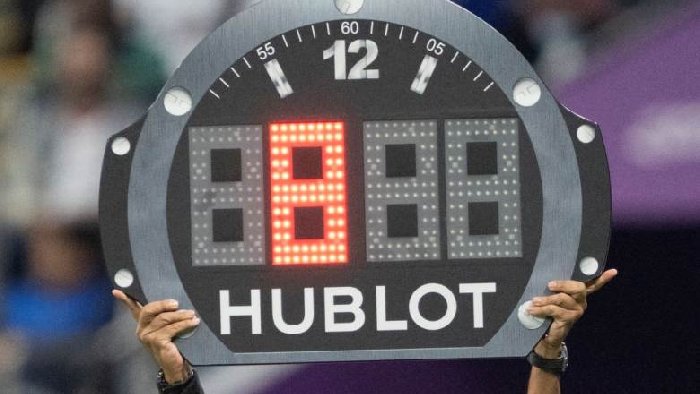 How is injury time calculated? Why matches are getting longer than ever
 -
 What team does Messi play for in 2025? Full details on his club and international career
 -
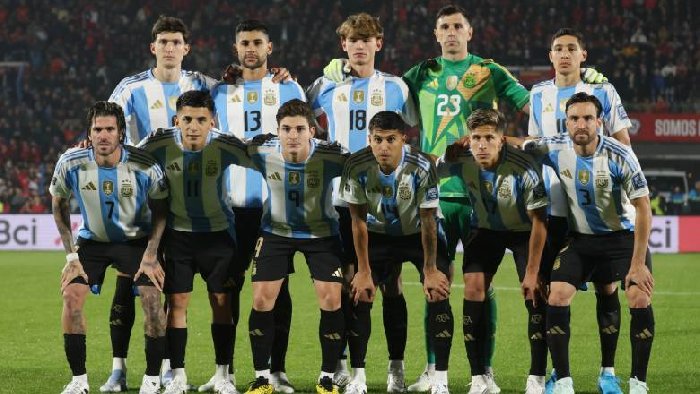 Argentina national football team players 2026 World Cup list: Key stars and Predicted XI
 -
 Why did James Rodríguez leave Real Madrid? The rise and fall of a Galáctico dream
 -
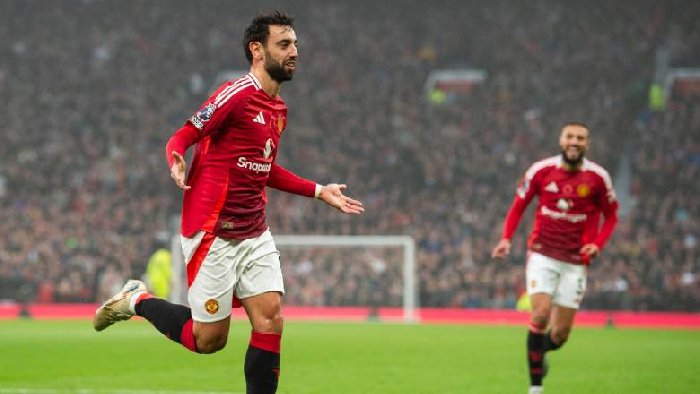 The €54 million catalyst: How much did Manchester United buy Bruno Fernandes?
 -
 The £75 million bargain: How much did Liverpool actually pay for Van Dijk?