
How do football transfers work? A complete guide to the market
Football transfers are always a hot topic, attracting attention from both the media and fans. A transfer is not simply about a player moving to another club; it also involves complex negotiations, legal procedures, and often enormous sums of money. In this article, goaloomobi.com answers the question: How do football transfers work?
How do football transfers work?
First, clubs cannot make transfers at any time. FIFA defines two official transfer periods, commonly known as transfer windows. The summer transfer window usually lasts about 12 weeks before the start of the new season (in Europe, typically from June to the end of August). This is when most major deals take place. The winter transfer window occurs in January, allowing clubs to strengthen their squads for the second half of the season.
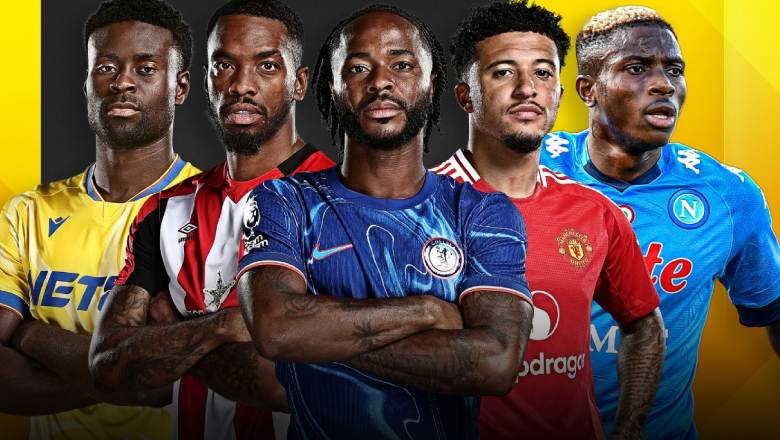
Clubs can still sign players outside these windows if the player is a free agent, meaning their contract has expired. In addition, clubs may arrange loan deals to temporarily replace injured players, manage budgets, or evaluate a player before committing to a permanent transfer. In such cases, all parties still negotiate fees and contractual terms.
The stages of a transfer deal
Stage 1: Approach and inquiry
When a club wants to sign a player who is still under contract, it must first contact the player’s current club. If both sides agree on a transfer fee, the buying club is then granted permission to negotiate with the player. If the player is a free agent, the buying club can negotiate directly without paying a transfer fee.
Stage 2: Negotiating personal terms
Once the clubs agree on a fee, the player and their representatives negotiate personal terms with the buying club. These include salary, contract length, bonuses (such as goal bonuses, clean sheet bonuses, and title bonuses), release clauses, and agreements related to image rights and other obligations.
Stage 3: Medical examination
The player undergoes a full medical assessment at the new club’s facilities. This step ensures the player is physically fit and does not have hidden injuries that could affect performance.

Stage 4: Registration and completion
Finally, all documents are signed and submitted to the national football association and FIFA through the Transfer Matching System (TMS). The transfer must be officially registered before the transfer window closes for it to be valid.
Are there cases where a transfer fails even when it seems almost complete?
Yes, a transfer can still collapse if issues arise during any of the stages. The most common breakdown happens during Stage 2, when the parties cannot agree on financial or contractual terms. A deal is only considered complete when all paperwork is finalized and the official announcement is made.
There are several common reasons why transfers fail:
1. Administrative and technical errors (paperwork issues)
This often happens on the final day of the transfer window. Even if both clubs and the player have agreed, delays in submitting documents can cause the deal to collapse. A famous example is David de Gea’s proposed move from Manchester United to Real Madrid in 2015, which failed because the paperwork was submitted too late.
2. Failed medical examinations
A player may appear fully fit during matches, but medical tests can reveal underlying injuries or health concerns. In 2018, Nabil Fekir was close to joining Liverpool, but the deal collapsed due to concerns about his knee condition.
3. Player changes their mind
Sometimes players reverse their decision at the last moment, either due to a better offer or personal reasons. In 2018, Malcom was set to join AS Roma, but Barcelona made a late offer, and he chose to move to Spain instead.
4. Last-minute financial disagreements
Even after agreements are reached, one party may change their demands. This could involve higher agent fees, additional bonuses, or altered payment structures. A notable case is João Palhinha’s failed move to Bayern Munich in 2023. The player had already traveled and completed media duties, but Fulham canceled the deal at the last minute because they could not find a replacement.
Regulations on the multi-club ownership model in football
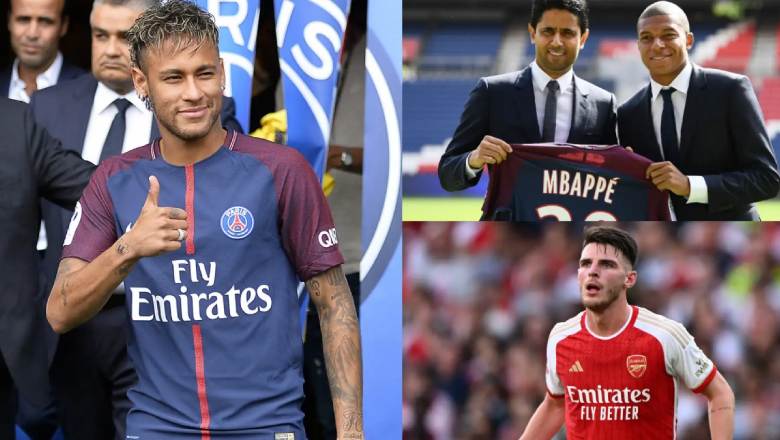
Furthermore, football governing bodies are attempting to regulate the multi-club ownership model to prevent teams from freely transferring players between clubs under the same ownership. According to current regulations, if two clubs with the same owner (such as Manchester City and Girona, or Manchester United and Nice) qualify for the same competition (for example, the Champions League), they must prove operational and managerial independence. Otherwise, one of the clubs may be forced to drop to a lower-tier competition.
Goaloo Mobi has answered the question: How do football transfers work? To learn more about the latest football schedules, click the link to our page.
The Most Popular
-
 How many Premier League games are in a season? The complete breakdown
 -
 From Flames to Origami: Ranking the most iconic Japan football jerseys in history
 -
 Who is the captain of the Germany football team? Meet the leader of the Die Mannschaft
 -
 Is Pep Guardiola the best manager ever? The man who changed football forever
 -
 How is injury time calculated? Why matches are getting longer than ever
 -
 What team does Messi play for in 2025? Full details on his club and international career
 -
 Argentina national football team players 2026 World Cup list: Key stars and Predicted XI
 -
 Why did James Rodríguez leave Real Madrid? The rise and fall of a Galáctico dream
 -
 The €54 million catalyst: How much did Manchester United buy Bruno Fernandes?
 -
 The £75 million bargain: How much did Liverpool actually pay for Van Dijk?