
FIFA to add 'Cooling breaks' during all games at the 2026 World Cup, regardless of weather
The term “cooling break” in football was first mentioned by Manolo Zubiría, the chief tournament officer for the 2026 World Cup, during a meeting with broadcasters. He said: “For every game, no matter where it is played, regardless of whether there’s a roof or what the temperature is, there will be a three-minute hydration break. It will be three minutes from whistle to whistle in both halves.”
He added: “Obviously, if there’s an injury stoppage at the 20th or 21st minute and it’s ongoing, this will be addressed on the spot with the referee.” Essentially, the match will pause around the 22nd minute to allow players to rest and hydrate before continuing for the next 22 minutes. The same will occur in the second half, with the clock stopping around the 69th minute.
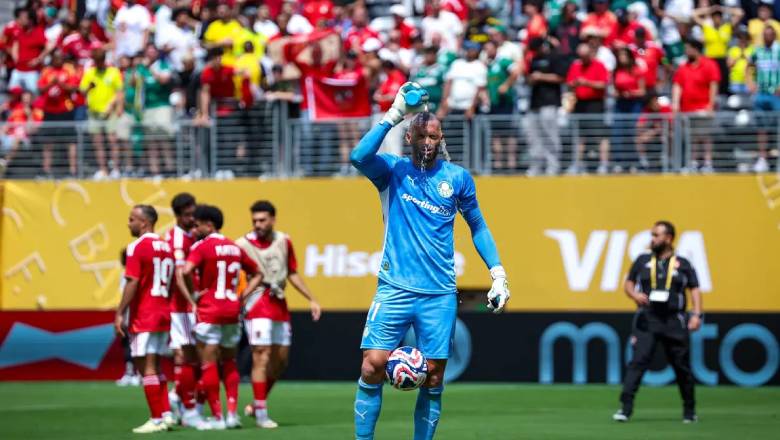
This change will apply to every match in the 2026 World Cup, regardless of temperature or whether the stadium has a roof or air conditioning. During the summer, temperatures across the Americas can range from 30-40°C, which can make playing extremely difficult. Reports published in September by Football for the Future, Common Goal, and Jupiter Intelligence stated that 10 out of 16 host stadiums for the 2026 World Cup are at high risk of heat, so this change could help prevent players from collapsing during matches.
In fact, these breaks were already used at the 2025 FIFA Club World Cup. Chelsea midfielder Enzo Fernández said he felt “dizzy” while playing, and England manager Thomas Tuchel noted that he might have to bring substitutes into the dressing room, as staying on the pitch could expose them to dangerous temperatures. Heat is also one of the factors behind the World Cup having 13 different kick-off times.
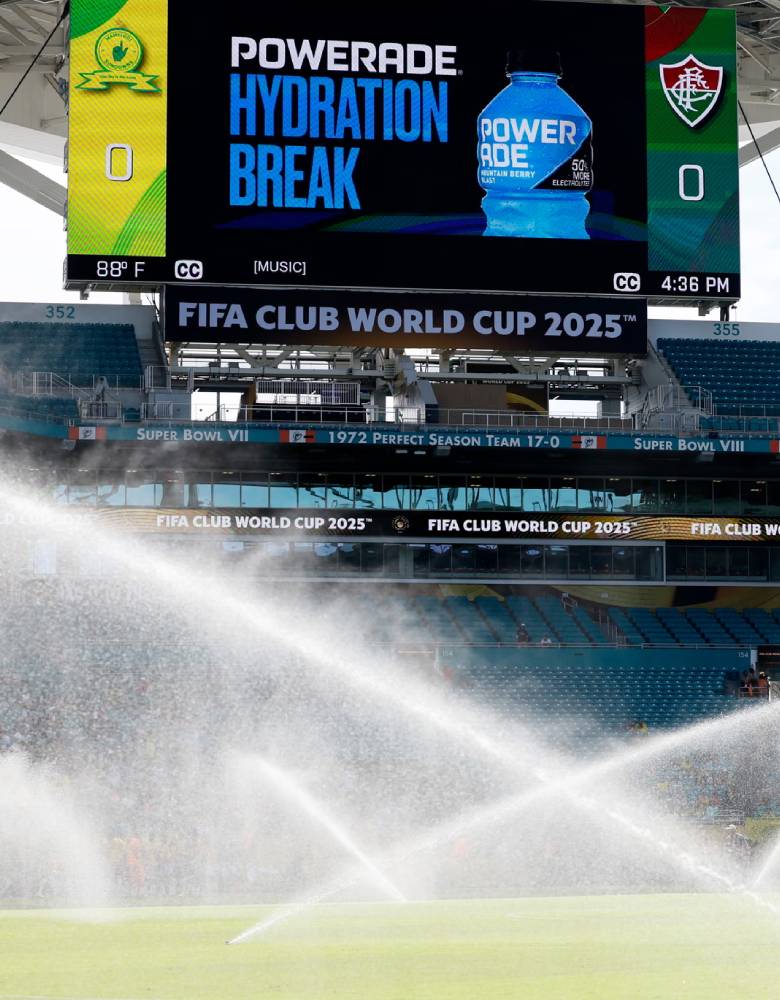
However, fans are not entirely happy with the change. The concept of a “cooling break” is well-known in American sports such as the NBA, NFL, and WNBA. In the U.S., these breaks are prime moments for broadcasters to run advertisements. If the 2026 World Cup adopts a similar model, many fans will object, claiming it disrupts the traditional “essence” of football. Even if organizers restrict advertising during these breaks, the rule change will significantly affect matches at the 2026 World Cup while helping to reduce the impact of extreme heat on players.
The Most Popular
-
 How many Premier League games are in a season? The complete breakdown
 -
 From Flames to Origami: Ranking the most iconic Japan football jerseys in history
 -
 Who is the captain of the Germany football team? Meet the leader of the Die Mannschaft
 -
 Is Pep Guardiola the best manager ever? The man who changed football forever
 -
 How is injury time calculated? Why matches are getting longer than ever
 -
 What team does Messi play for in 2025? Full details on his club and international career
 -
 Argentina national football team players 2026 World Cup list: Key stars and Predicted XI
 -
 Why did James Rodríguez leave Real Madrid? The rise and fall of a Galáctico dream
 -
 The €54 million catalyst: How much did Manchester United buy Bruno Fernandes?
 -
 The £75 million bargain: How much did Liverpool actually pay for Van Dijk?